
BRM'S PAST
INTRODUCING BRITAIN'S FIRST FORMULA ONE TEAM
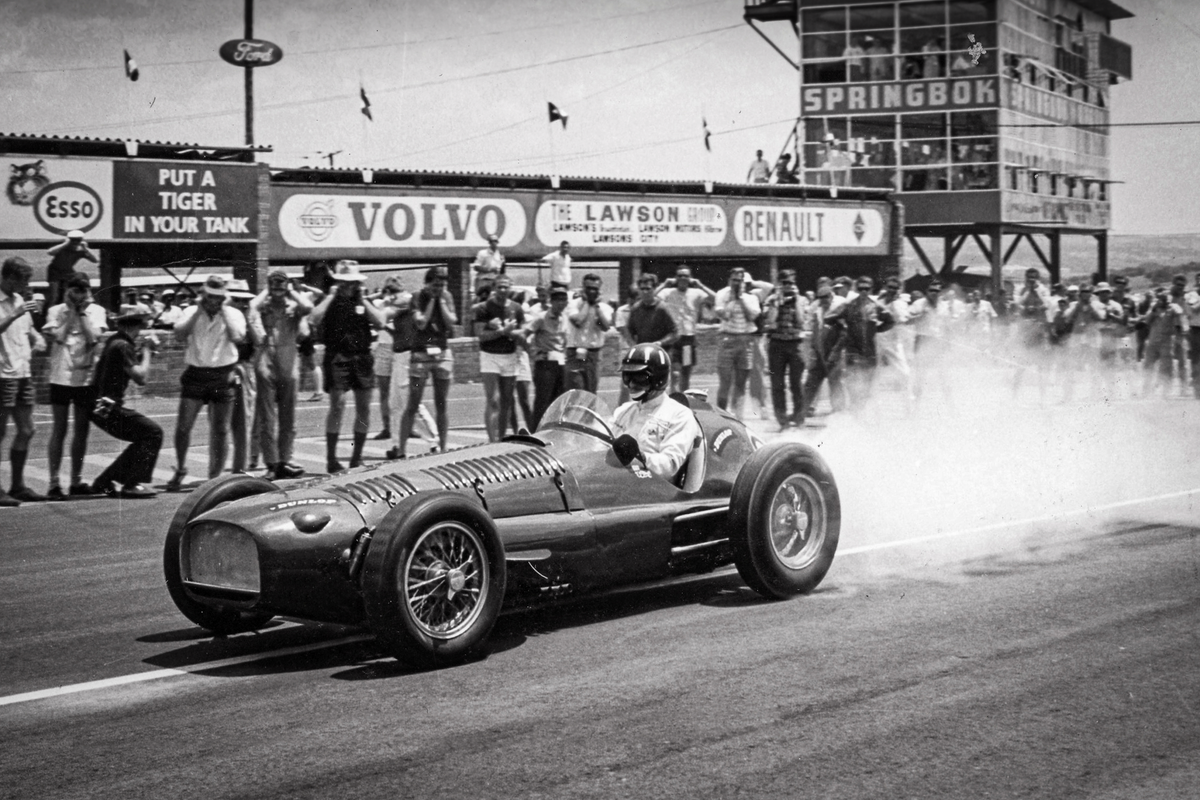
Founded in 1949 in the market town of Bourne, Lincolnshire, British Racing Motors was born from a singular ambition: to prove that Britain could design, build, and win with its own Grand Prix car. What followed was one of the most determined and technically ambitious chapters in Formula One history = defined by bold engineering, championship success, and an unwavering belief in British innovation.
1947
the vision takes shape
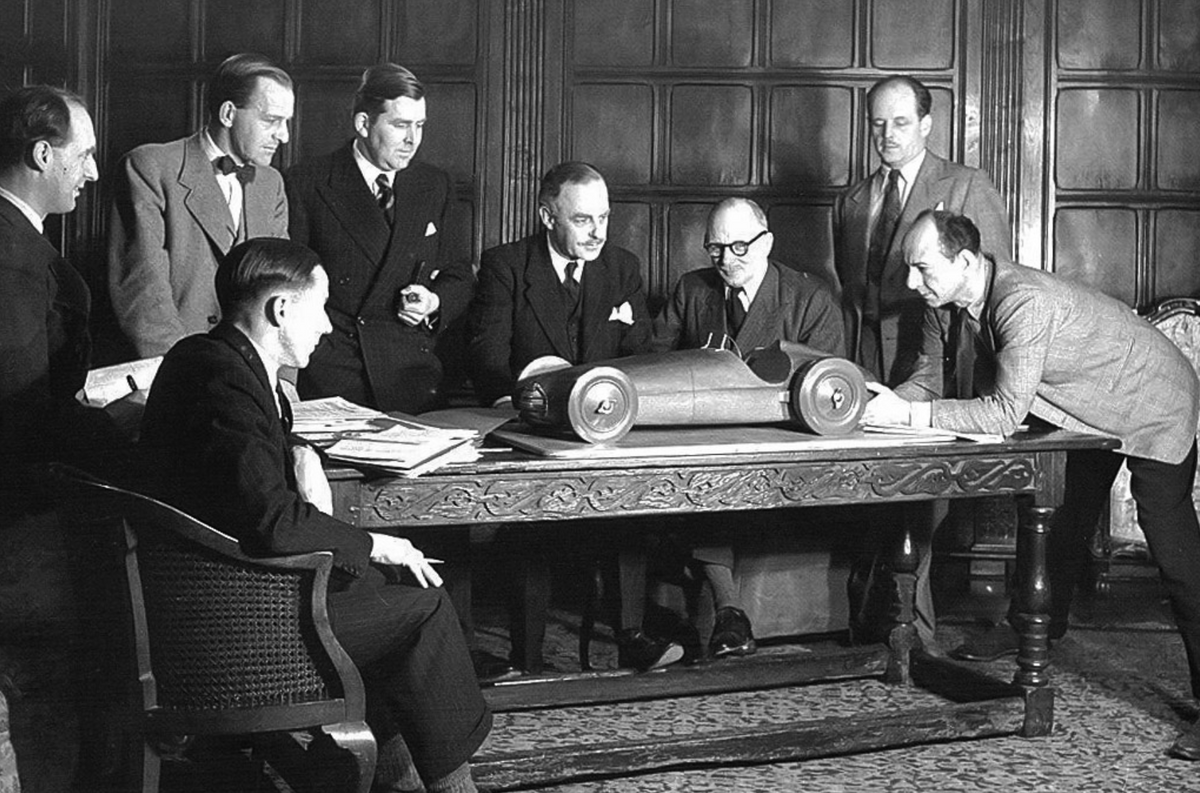
On 25th April 1947, the British Motor Racing Research Trust was formed, laying the foundation for what would become BRM. With the revolutionary V16 engine already under development, the ambition was clear from the outset: to create a Grand Prix car capable of carrying Britain to the forefront of international motor racing.

1952
a statement at goodwood
BRM entered three cars at Goodwood in 1952 - and finished first, second, and third. It was a decisive demonstration of the team’s engineering progress and competitive intent, signalling that Britain’s national racing project was becoming a serious force on the track.

1959
first grand prix victory
BRM secured its first Formula One World Championship Grand Prix victory at the 1959 Dutch Grand Prix. The breakthrough win marked the culmination of years of persistence and development, proving that BRM could compete - and win - at the highest level of the sport.

1962
world champions
In 1962, BRM achieved its defining triumph: winning the Formula One Constructors’ Championship, while Graham Hill secured the Drivers’ World Championship. It remains one of the most significant achievements in British motorsport history - a world title won with a car entirely designed and built in-house.

1964
monaco mastery
At the 1964 Monaco Grand Prix, Graham Hill delivered a commanding performance in the BRM P261, finishing a full lap ahead of the field. On the most demanding circuit in Formula One, BRM’s precision engineering and racecraft were on full display.

1970
P153 era
The BRM P153, racing in the distinctive colours of Yardley of London, represented a new commercial and competitive chapter for the team. Competing throughout the 1970 and 1971 seasons, it reflected Formula One’s evolving professional era while maintaining BRM’s engineering independence.

1972
victory in the rain
In treacherous conditions at the 1972 Monaco Grand Prix, Jean-Pierre Beltoise drove the BRM P160 to a remarkable victory. It was a masterclass in control and courage - and one of the most memorable wet-weather wins in Formula One history.

1974
final chapter
BRM’s final notable result came at the 1974 South African Grand Prix, where Jean-Pierre Beltoise secured second place in the Mike Pilbeam-designed P201. It marked the closing chapter of BRM’s original Formula One era - a legacy defined by ambition, innovation, and championship success.
"Without BRM, Britain’s £11bn motorsport industry would not exist in its current form."
Sir Jackie Stewart
BRM THROUGH THE DECADES

1950s
The 1950s saw the inception of BRM and the front and mid-engined cars dominated by the P15 and then the P25. A period of strive and determination to overcome adversity.
EXPLORE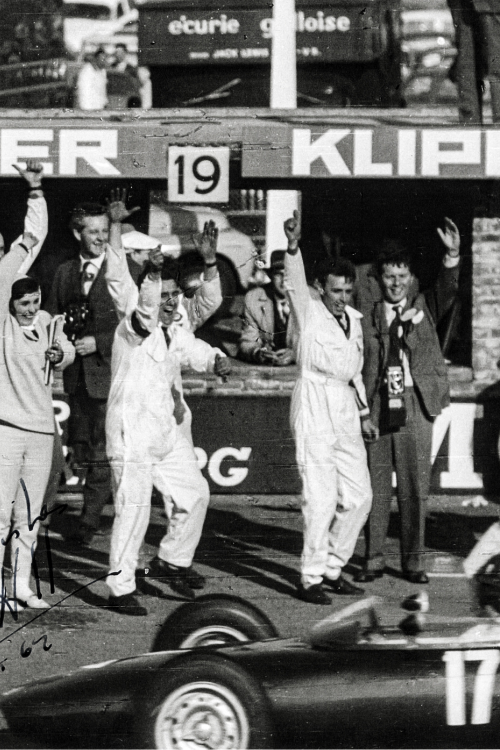
1960s
This decade heralded the advent of the rear engine V8 cars. They were not only some of the most beautiful cars ever to grace a track, but they also proved to be their most successful.
EXPLORE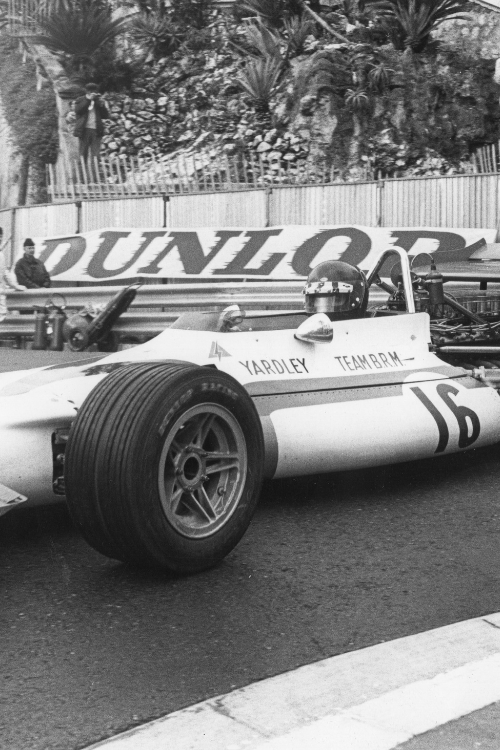
1970s
The V12 era; the introduction of more sophisticated aerodynamics, as well as the the launch of sponsorship and the distinctive liveries that still dominate the sport today.
EXPLORE
Keep me updated
subscribe to the brm Newsletter
Be the first to receive exclusive updates, behind-the-scenes insight, and early access to everything BRM. From heritage restorations to future events - don’t miss a moment of what’s next.