

the 1950s
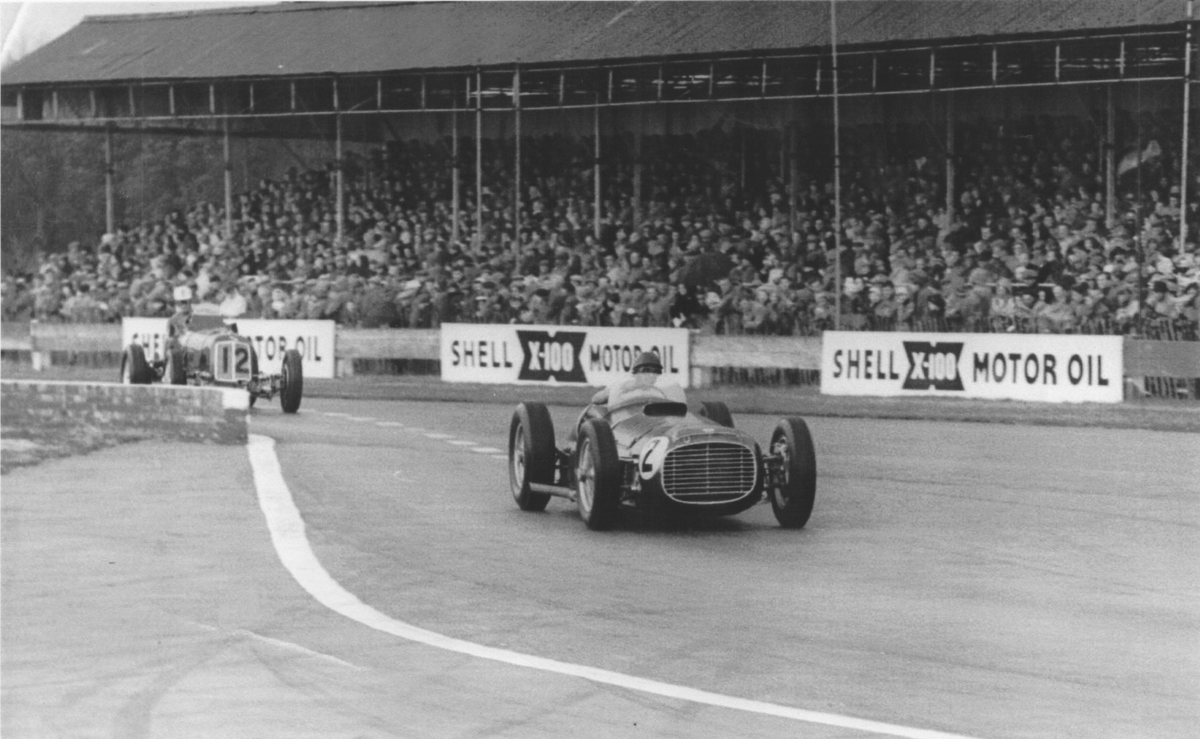
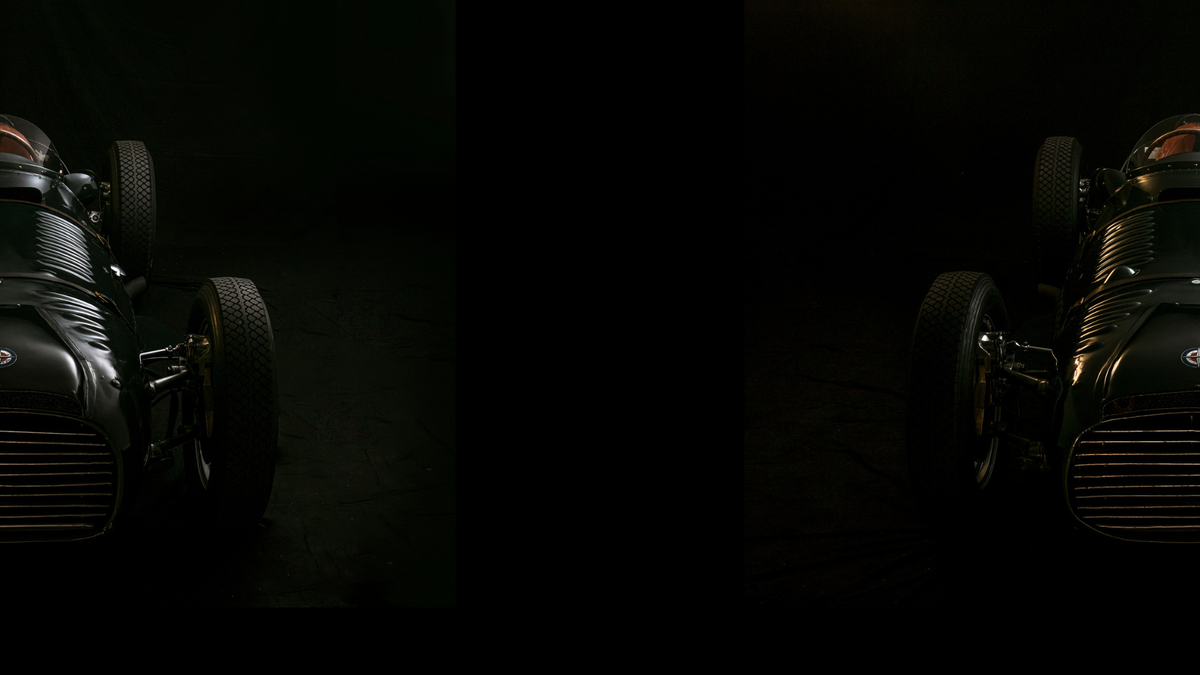
The 1950s were defined by bold ambition and hard-earned progress. In 1950, BRM’s V16 made its debut at Silverstone before a record crowd of over 150,000 – including the King and Queen – but mechanical failure cut short its promise. Despite early setbacks, the project embodied Britain’s determination to compete at the highest level.
In 1952, control of BRM passed to Sir Alfred Owen, bringing stability as Formula One regulations shifted and the V16’s future faded. From this transition emerged the P25, signalling a new direction for the team. That change delivered a historic breakthrough in 1959, when Jo Bonnier secured BRM’s first Formula One World Championship Grand Prix victory at Zandvoort – a defining moment that transformed perseverance into proof of success.

1950
the vision begins
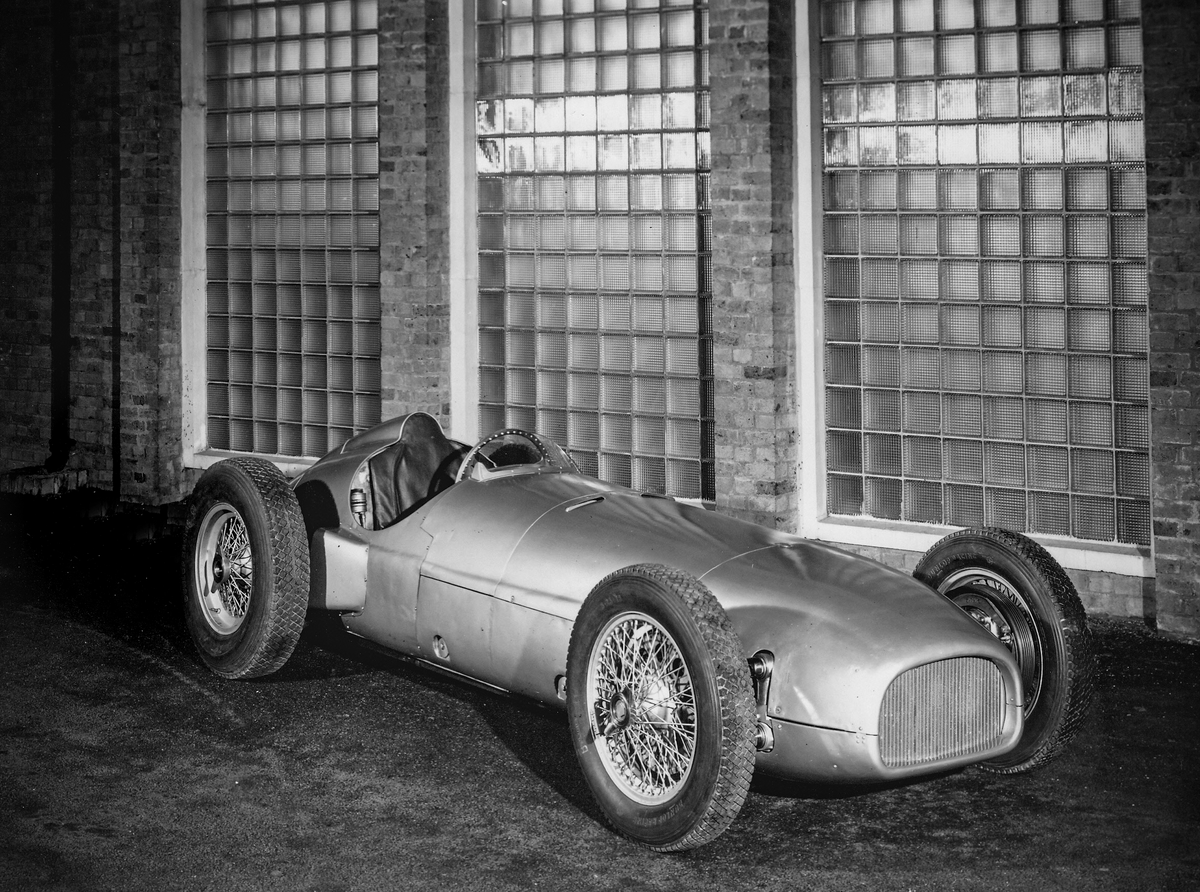
British Racing Motors was founded as a bold national project to create a world-beating British Grand Prix car. Backed by industry and driven by ambition, it marked the start of one of motorsport’s most remarkable engineering endeavours.
1951
the v16 arrives
The extraordinary BRM V16 made its debut - an ambitious and complex machine capable of immense power. Though challenging to master, it became one of the most iconic and evocative cars of the era.
1953
First Championship Points
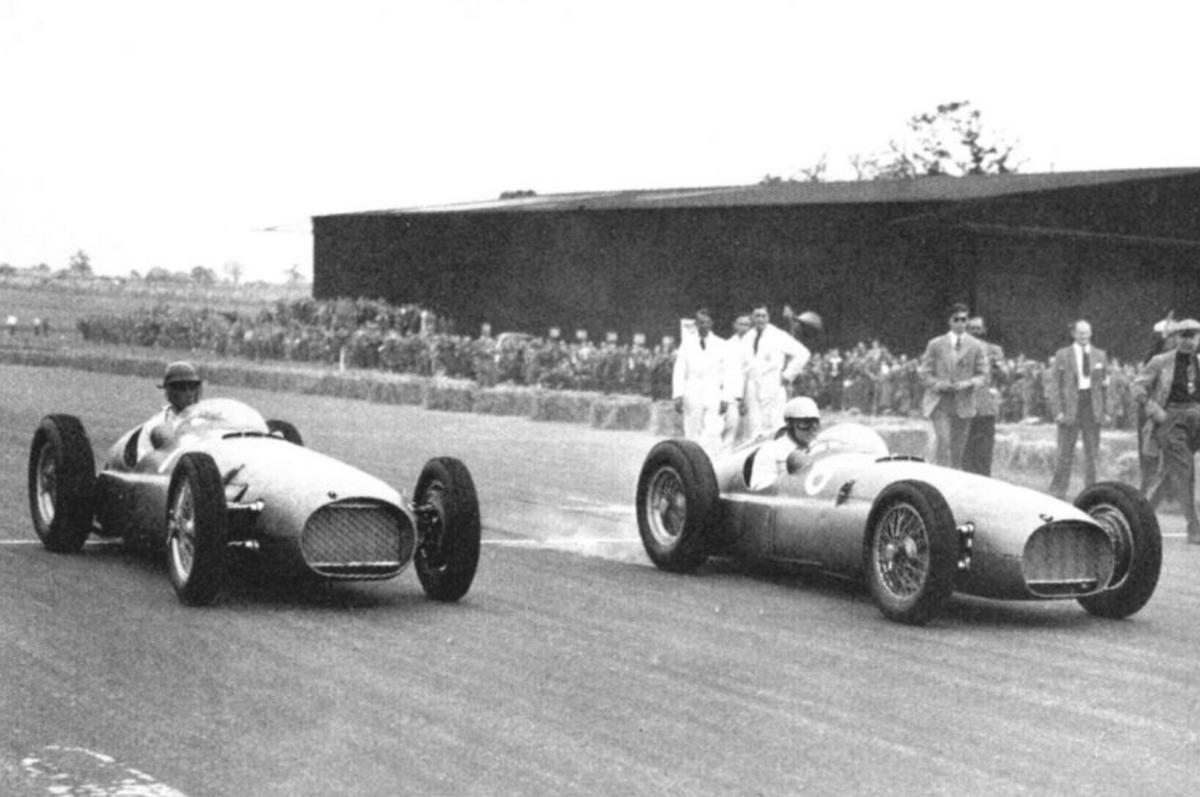
BRM began to establish itself in Formula One competition, scoring its first World Championship points and demonstrating the potential of the team on the international stage.

1959
first grand prix victory
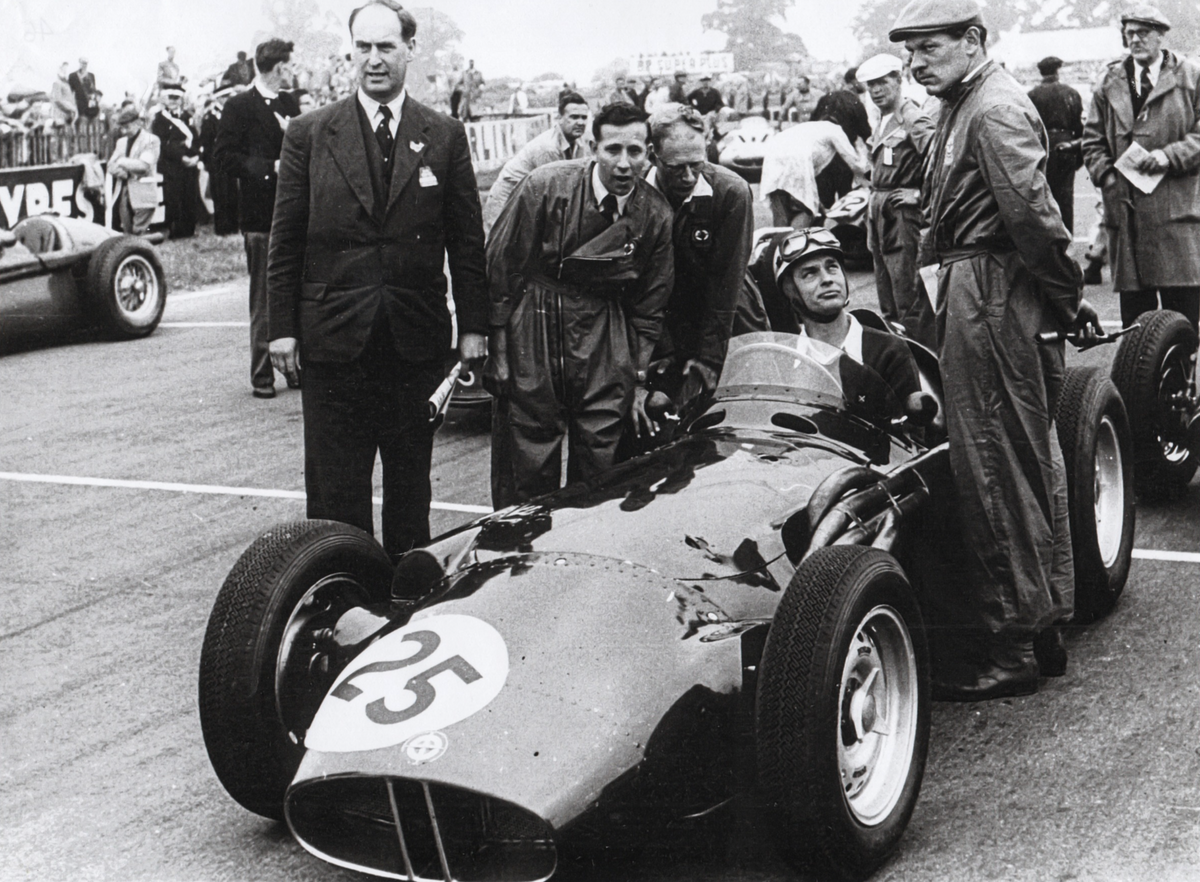
A landmark moment came as BRM secured its first Formula One World Championship Grand Prix win with the P25, signalling the team’s arrival as a serious competitor at the highest level.



want to hear more about BRM's past?
subscribe to the brm newsletter
Be the first to receive exclusive updates, behind-the-scenes insight, and early access to everything BRM. From heritage restorations to future events - don’t miss a moment of what’s next.